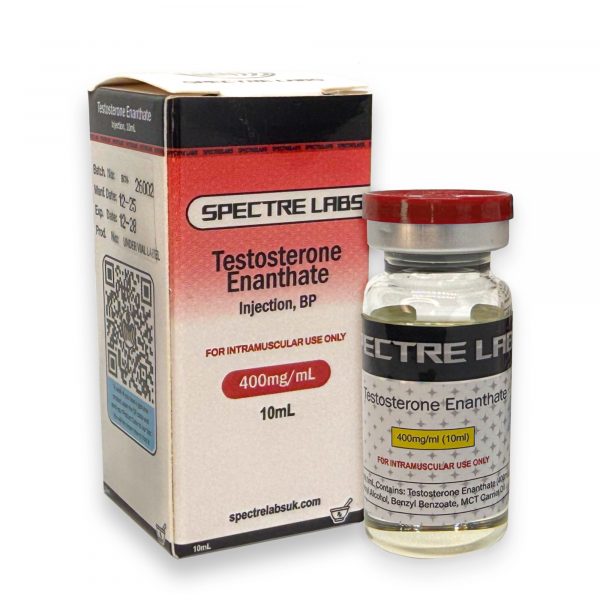
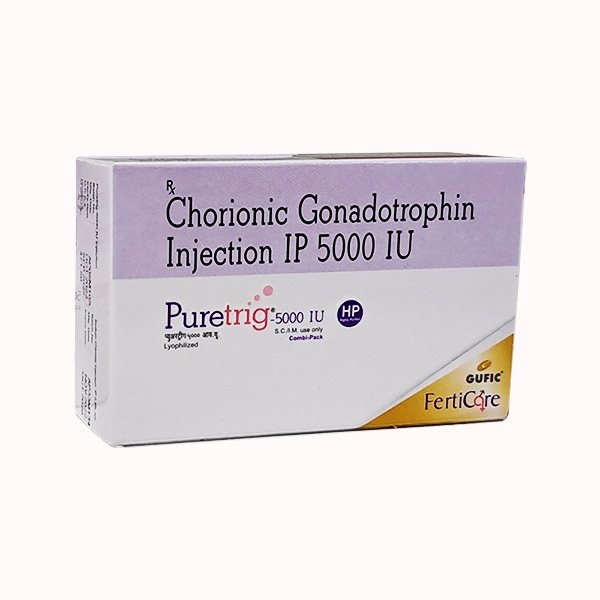
Description
What is HCG?
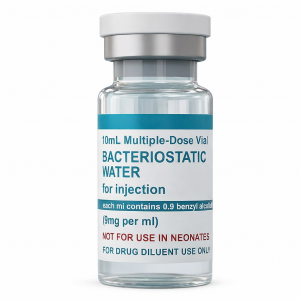
Human Chorionic Gonadotropin (HCG) is a hormone naturally produced during pregnancy, but it is also used synthetically as a medication in various medical and performance enhancement contexts. It mimics the action of luteinizing hormone (LH) in the body, which stimulates the production of testosterone in the testes, preserving fertility for TRT patients and anabolic users. Available in our online store, HCG is typically provided in vials for injection, often in strengths of: 2000 IU, 5000 IU, or 10,000 IU per vial, reconstituted with bacteriostatic water for use.
What is HCG Used For?
HCG is used medically to treat fertility issues in both men and women by promoting ovulation or increasing sperm production. In the realm of performance enhancement, it is predominantly utilized to restore or maintain testicular function and testosterone production, particularly among individuals whose natural hormone production has been suppressed. It’s a critical tool for preventing testicular atrophy and aiding in hormonal recovery, often administered during or after anabolic cycles.
What Does HCG Do?
- Stimulates Testosterone Production: HCG signals the testes to produce testosterone by mimicking LH, helping to counteract the suppression caused by external anabolic compounds.
- Prevents Testicular Atrophy: Maintains testicular size and function by ensuring continued activity even when natural LH production is low.
- Supports Hormonal Recovery: Assists in kickstarting natural testosterone production during or after a cycle, reducing downtime and aiding overall hormonal balance.
Why Do Testosterone and AAS Users Take HCG?
Individuals using testosterone or other anabolic-androgenic steroids (AAS) often experience suppression of their body’s natural testosterone production due to the negative feedback loop in the hypothalamic-pituitary-gonadal (HPG) axis. This can lead to reduced testicular size, low libido, and challenges in recovering natural hormone levels post-cycle. HCG is commonly used by these individuals to:
- Maintain testicular function and size during a cycle, preventing shrinkage and preserving fertility potential.
- Boost endogenous testosterone production during or after a cycle, especially in preparation for post-cycle therapy (PCT) to ease the transition off exogenous compounds.
- Support libido and overall well-being, as low testosterone from suppression can impact energy, mood, and sexual health.
Dosing Information:
Dosage for HCG varies widely based on purpose, individual response, and the specific phase of use (during cycle or PCT). It is typically administered via subcutaneous or intramuscular injection after reconstitution with bacteriostatic water. Common guidelines include:
- During Cycle (Maintenance): 250 IU to 500 IU every 3-4 days or twice weekly to maintain testicular function without overloading the system. Some users adjust based on cycle length or compound potency.
- Post-Cycle Therapy (PCT): 500 IU to 2000 IU every other day (EOD) for 2-3 weeks, often started near the end of a cycle or immediately after to jumpstart natural testosterone production. Higher doses (e.g., 1000-2000 IU) are common for short bursts, then tapered down.
- Administration: Ensure proper mixing with supplied solvent (follow vial instructions for reconstitution) and use sterile injection practices. Rotate injection sites to avoid irritation.
- Dosing should be tailored to personal needs, ideally with bloodwork to monitor testosterone and estrogen levels, as overuse can lead to desensitization of the testes or increased estrogen production.
Time to Work:
HCG typically begins to take effect within a few days of the first injection, with users often noticing increased testicular fullness and a boost in libido or energy within 3-7 days due to elevated testosterone production. Significant recovery of natural hormone levels during PCT can take 2-4 weeks, depending on the duration and intensity of suppression from the cycle. Effects on fertility or sperm production may take longer, often several weeks to months, if that is the goal. Consistent use as per protocol is key to achieving desired outcomes.
Side Effects:
While HCG is generally effective for its intended purposes, some users may experience side effects, particularly if doses are too high or not properly managed:
- Increased Estrogen Levels: Since HCG boosts testosterone, it can also lead to higher aromatization into estrogen, potentially causing gynecomastia, water retention, or mood swings if not balanced with an aromatase inhibitor.
- Injection Site Reactions: Redness, swelling, or discomfort at the injection site can occur if technique or hygiene is suboptimal.
- Headaches or Fatigue: Some report mild headaches or lethargy, often tied to hormonal fluctuations.
- Mood Changes: Hormonal shifts can lead to irritability or emotional sensitivity in certain users.
- Overstimulation: Excessive dosing may desensitize the testes over time (Leydig cell desensitization), reducing long-term responsiveness to LH or HCG, so moderation is critical.
- Acne or Oily Skin: Increased testosterone can sometimes trigger androgenic side effects like breakouts.