
Description
What is Tretinoin?
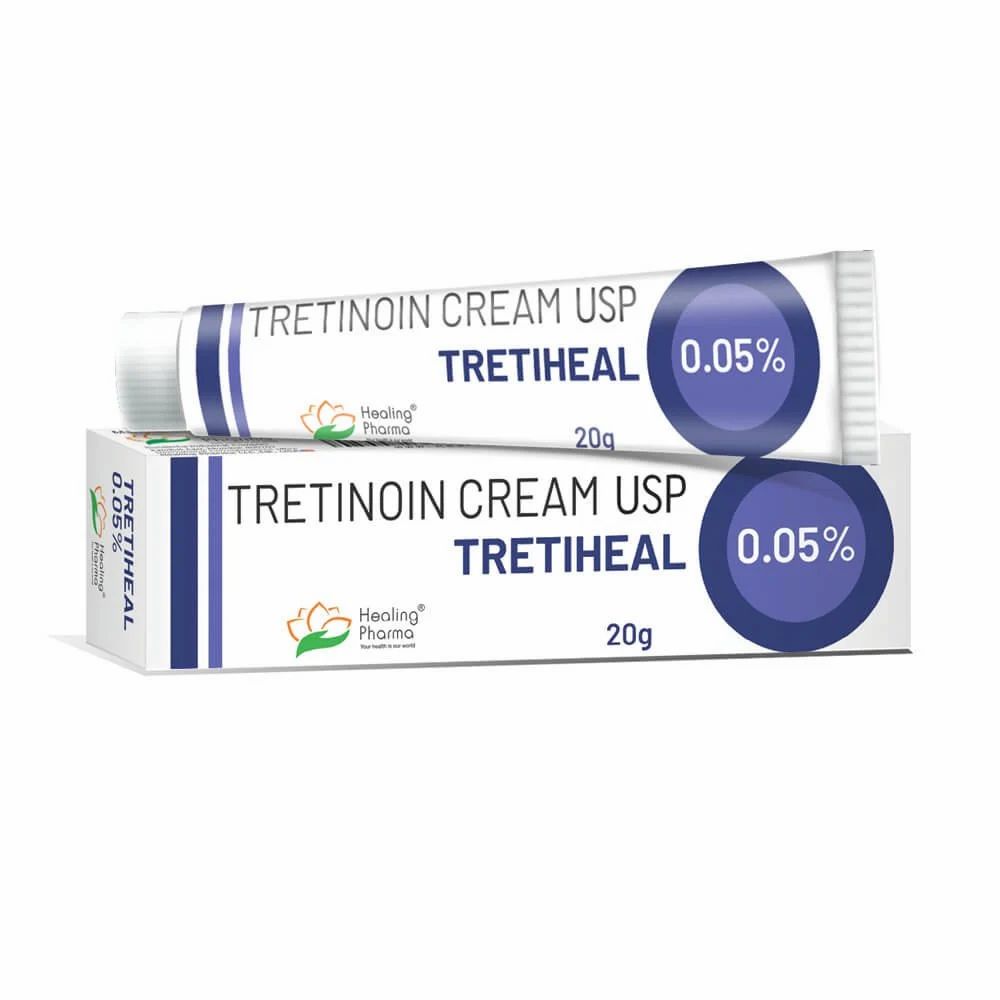
Tretinoin 0.05% is a prescription-strength topical retinoid derived from Vitamin A. It comes in the form of a cream or gel and is primarily used to treat various skin conditions by promoting cell turnover and unclogging pores. At a concentration of 0.05%, it offers a moderate potency, suitable for users who have built some tolerance to retinoids or require a stronger formulation than lower concentrations (like 0.025%).
What is it used for?
Tretinoin 0.05% is commonly prescribed for:
- Acne Vulgaris: It effectively reduces blackheads, whiteheads, and inflammatory acne lesions by preventing the buildup of dead skin cells and reducing oil production.
- Anti-Aging: It helps diminish fine lines, wrinkles, and hyperpigmentation (dark spots) by stimulating collagen production and accelerating skin renewal.
- Skin Texture Improvement: It smooths rough skin and improves overall tone by exfoliating the outer layer of the epidermis.
- Other Dermatological Conditions: It can be used for conditions like melasma or as part of a regimen for keratosis pilaris under a doctor’s guidance.
How is it used?
Apply a pea-sized amount of Tretinoin 0.05% to clean, dry skin once daily, typically at night, as it can increase photosensitivity. Avoid the eyes, mouth, and broken skin. Initial irritation, redness, or peeling is common as the skin adjusts, so start with every other night if needed and gradually increase frequency. Always use a broad-spectrum sunscreen (SPF 30 or higher) during the day to protect the skin. Consult a dermatologist for a personalized regimen, especially if combining with other treatments.
Tretinoin with TRT
When using Tretinoin alongside TRT or anabolic steroids, it can address specific skin-related side effects that often accompany these therapies:
- Acne Breakouts from Hormonal Fluctuations: TRT and steroids can increase testosterone levels, leading to heightened sebum production and clogged pores. Tretinoin helps by unclogging pores, reducing oil buildup, and preventing acne flare-ups.
- Oily Skin Management: Steroid use can cause excessively oily skin, exacerbating acne. Tretinoin’s exfoliating properties help manage oiliness and keep skin clearer.
- Application Considerations: If using other topical treatments (like anti-fungals or antibiotics for acne) alongside TRT/steroid cycles, apply Tretinoin at a different time of day to avoid irritation or reduced efficacy. For example, use Tretinoin at night and other treatments in the morning.
- Skin Sensitivity: Steroids can sometimes thin the skin or cause irritation when paired with strong topicals. If redness or peeling becomes severe, reduce Tretinoin frequency or buffer it by applying a lightweight moisturizer first.
- Post-Cycle Therapy (PCT): During PCT, hormonal shifts can still trigger acne. Continuing Tretinoin use during this period can help maintain skin clarity as testosterone levels stabilize.
Note on Usage with TRT/Steroids: While Tretinoin is effective for managing steroid-induced acne, results depend on consistency and complementary skincare (like non-comedogenic moisturizers and cleansers). For severe acne or cystic breakouts caused by steroid use, consult a dermatologist, as oral medications or other treatments might be necessary alongside Tretinoin. Always follow a prescribed dosage for TRT/steroids to minimize side effects impacting the skin.
Tretinoin 0.05% is a versatile and potent skincare solution that can be a valuable addition to a regimen for those on TRT or steroids, helping to counteract the dermatological side effects of hormonal therapies while improving overall skin health.
Reviews
There are no reviews yet.