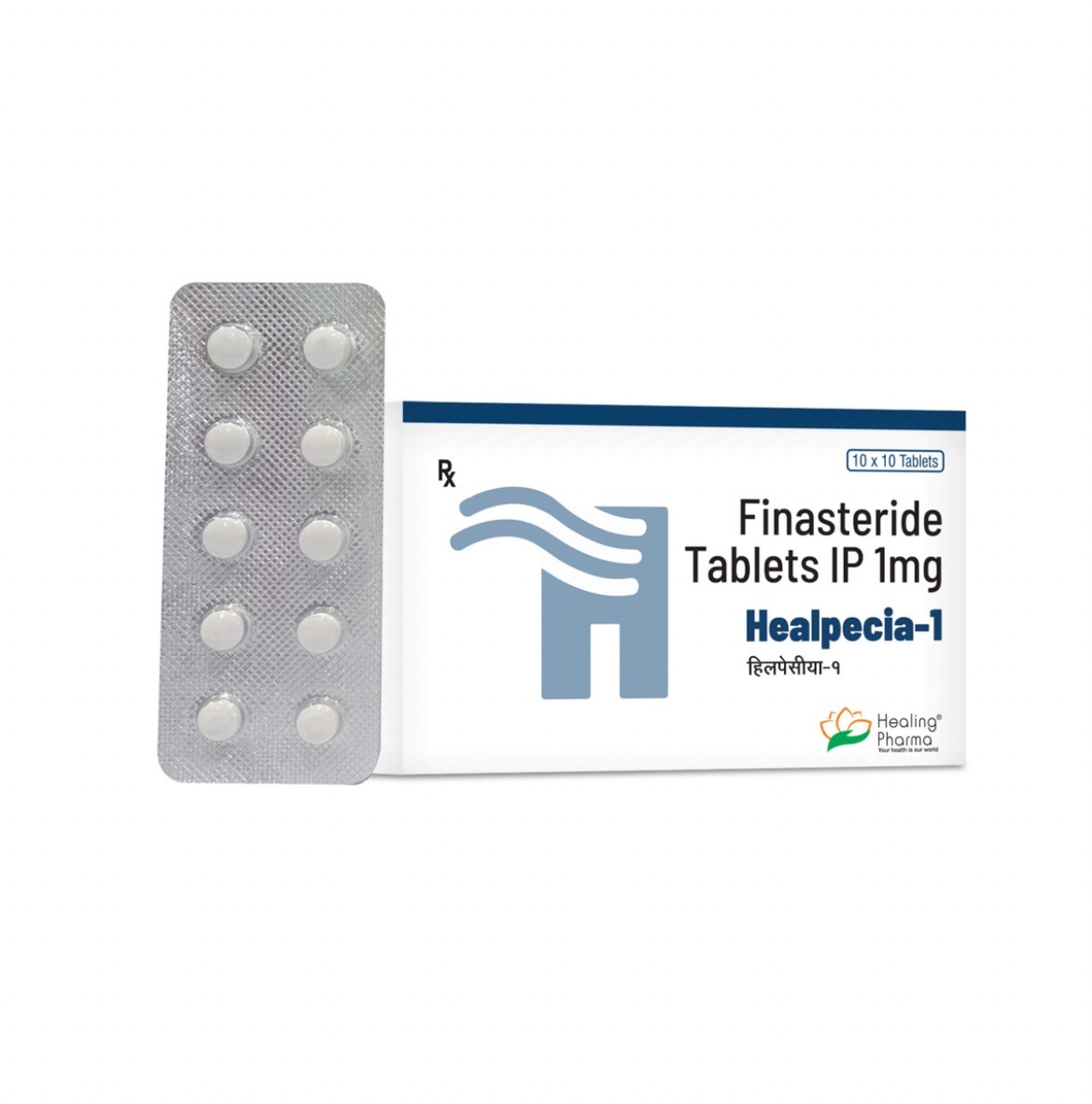
Description
What is Finasteride?
Finasteride is an oral medication classified as a 5-alpha-reductase inhibitor, originally developed to treat benign prostatic hyperplasia (BPH) and later adapted for managing androgenetic alopecia (male pattern baldness). It works by reducing the conversion of testosterone into dihydrotestosterone (DHT), a hormone linked to hair loss and prostate enlargement.
What is Finasteride Used For?
Finasteride is primarily used to combat hair loss in men by lowering DHT levels, which can shrink hair follicles and lead to thinning or baldness. It’s also prescribed at higher doses for prostate issues, though the 5mg dose can be split for hair loss treatment (commonly 1mg daily). In the context of performance enhancement, it’s a popular choice for individuals concerned about hair loss triggered by hormonal changes. By inhibiting DHT, it helps preserve hair follicles and potentially slows or reverses hair thinning in susceptible areas like the scalp.
What Does Finasteride Do?
- Reduces DHT Levels: Blocks the 5-alpha-reductase enzyme, preventing testosterone from converting into DHT, the primary hormone responsible for androgenetic alopecia.
- Promotes Hair Retention and Regrowth: Slows hair loss progression and, in some cases, stimulates regrowth in areas affected by DHT-driven follicle miniaturization.
- Supports Scalp Health: By reducing DHT, it creates a more favorable environment for hair follicles to remain active and healthy over time.
Why Do Testosterone and AAS Users Take Finasteride?
Individuals using testosterone or other anabolic-androgenic steroids (AAS) often face an increased risk of hair loss due to heightened DHT levels resulting from elevated testosterone. DHT binds to hair follicles in genetically predisposed individuals, causing them to shrink and eventually stop producing hair. Finasteride is frequently used by these individuals to:
- Mitigate hair loss caused by AAS use, especially with compounds that have high androgenic activity or convert readily to DHT.
- Protect existing hair and potentially regrow lost hair during or after cycles when hormonal imbalances are most pronounced.
- Maintain overall aesthetics, as hair loss can undermine the physical appearance goals often associated with performance-enhancing substance use.
Dosing Information:
Dosage for Finasteride depends on the intended use, with lower doses typically used for hair loss compared to prostate treatment. It’s taken orally, with or without food. Common guidelines include:
- For Hair Loss (Off-Label Adjustment): 1mg daily is the standard dose for androgenetic alopecia. Since our tablets are 5mg, they can be split into quarters (1.25mg) or fifths (1mg) using a pill cutter for precise dosing.
- For Prostate Issues: 5mg daily as a whole tablet, typically under medical guidance for BPH.
- AAS Users: Most stick to 1mg daily to balance DHT reduction with minimal impact on performance or hormonal profiles, starting before or during a cycle if hair loss is a concern. Consistency is key, as skipping doses can reduce effectiveness.
- Adjust based on personal response, but avoid exceeding recommended doses as it won’t accelerate results and may increase side effect risks.
Time to Work:
Finasteride requires patience, as its effects on hair loss are gradual. Initial reduction in hair shedding may be noticeable within 3-6 months of consistent daily use. Visible hair regrowth or thickening, if it occurs, often takes 6-12 months, with maximum benefits typically seen after 1-2 years of continuous use. Results vary based on individual genetics, the extent of hair loss at the start, and adherence to dosing. If discontinued, any benefits (retained or regrown hair) will likely reverse within 6-12 months as DHT levels rise again.
Side Effects:
While Finasteride is effective for many in managing hair loss, it can cause side effects due to its impact on DHT, a hormone tied to various bodily functions. Potential issues include:
-
Decreased Libido: Some users experience a reduction in sex drive due to lowered DHT, which plays a role in sexual function.
-
Erectile Dysfunction: A small percentage report difficulty achieving or maintaining erections, linked to hormonal changes.
-
Reduced Ejaculate Volume: DHT reduction can lead to less semen production during ejaculation for some individuals.
-
Mood Changes: Occasional reports of depression, anxiety, or brain fog, though the exact mechanism isn’t fully understood and may not affect all users.
-
Gynecomastia: Rare instances of breast tissue tenderness or enlargement due to altered testosterone-to-estrogen ratios.
-
Skin Reactions: Uncommonly, mild rashes or irritation may occur as a sensitivity to the drug.
-
Long-Term Considerations: Some users report persistent side effects even after stopping (often termed “post-finasteride syndrome”), though this is debated and not universally experienced.